November 17, 2026
Rising utility bills and unpredictable weather patterns have caused residential heating and cooling to take center stage in household budgeting. If your current setup struggles to maintain steady indoor temperatures or rattles noisily every time the thermostat calls for heat, you are not alone. Across the country, homeowners seeking seasonal tune-ups often learn from licensed HVAC companies that continuing to patch up aging, obsolete equipment is simply throwing good money after bad. Modern heating and cooling technology has advanced substantially over the past decade, delivering performance gains that go far beyond standard comfort. Before committing to a major equipment replacement, understanding the core fundamentals of high-efficiency systems will help you maximize your investment, secure substantial utility rebates, and keep your home comfortable for decades to come.
1. Understanding the Ratings
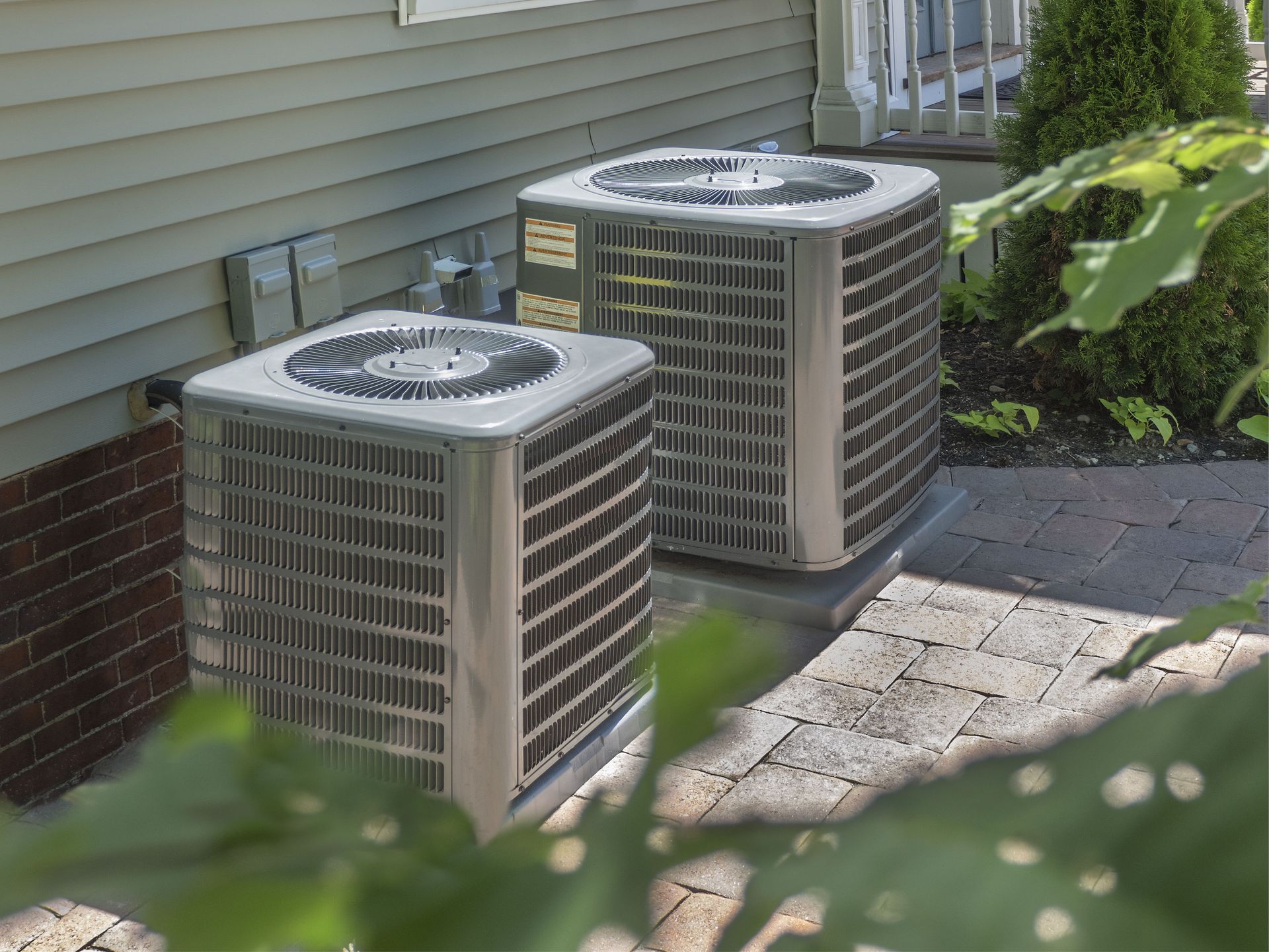
Deciphering equipment specifications is the first step in evaluating any upgrade. Cooling efficiency is measured by the Seasonal Energy Efficiency Ratio (SEER2), while heating efficiency for heat pumps and furnaces is tracked via Heating Seasonal Performance Factor (HSPF2) and Annual Fuel Utilization Efficiency (AFUE), respectively. Standard entry-level units typically meet minimum baseline numbers—often hovering between 14 and 15 SEER2—while high-efficiency models regularly exceed 18 to 22 SEER2, according to our experts. Higher numbers directly correlate to less electrical consumption for every unit of heating or cooling delivered.
The secret behind these ratings lies in internal mechanics. Traditional systems operate on a single-stage motor, meaning they are either running full-blast at full capacity or completely powered off. High-efficiency systems, by contrast, utilize advanced two-stage or modulating variable-speed inverter compressors. These intelligent components constantly assess indoor conditions and adjust output in micro-increments, frequently running quietly at a lower capacity to maintain an exact temperature. Reputable HVAC companies will gladly break down these rating thresholds and explain how regional building codes impact the minimum standards required for your specific climate zone.
2. Calculating the Upfront Costs Versus Long-Term Payback
Investing in high-performance mechanical equipment comes with an undeniable reality: the initial capital outlay is higher than that of builder-grade alternatives. Premium condensing furnaces, variable-refrigerant heat pumps, and communicating thermostats require specialized engineering and durable materials, which naturally command a higher price tag. Looking strictly at the initial invoice, however, ignores the substantial operational savings that accumulate every billing cycle.
A high-efficiency setup can trim household monthly utility expenses compared to an old baseline unit. Over several years of continuous operation, these cumulative energy savings offset the initial price differential. Furthermore, financial incentives significantly ease the purchase burden. Local energy cooperatives, municipal utility programs, and federal tax credits often return thousands of dollars directly to property owners who install qualifying high-efficiency equipment. Established HVAC companies often assist clients with the necessary performance documentation and manufacturer certificates, ensuring you capture every rebate and tax incentive available in your jurisdiction.
3. Maximizing Lifespan and System Durability
A home comfort system represents one of the largest capital investments you will make in your property, making expected longevity a paramount consideration. According to figures provided by HomeGuide, the operational lifespan of most HVAC systems generally ranges from 15 to 25 years, influenced substantially by the equipment brand and how heavily the unit is run throughout the seasons. Choosing high-efficiency machinery sets a solid foundation for landing on the upper end of that durability spectrum.
The gentle, continuous operation of variable-capacity compressors minimizes mechanical stress. Because the equipment avoids the jarring electrical surges and abrupt thermal shocks associated with constantly cycling on and off, internal components experience dramatically less physical wear and tear. Longevity still requires deliberate care; sophisticated electronic inverters and multi-stage heat exchangers need routine servicing to operate smoothly. The best HVAC companies offer comprehensive preventative maintenance agreements that include annual coil cleanings, electrical testing, and airflow monitoring, ensuring your high-efficiency warranty protections remain valid throughout the system's operational lifetime.
4. Enhancing Indoor Air Quality and Comfort
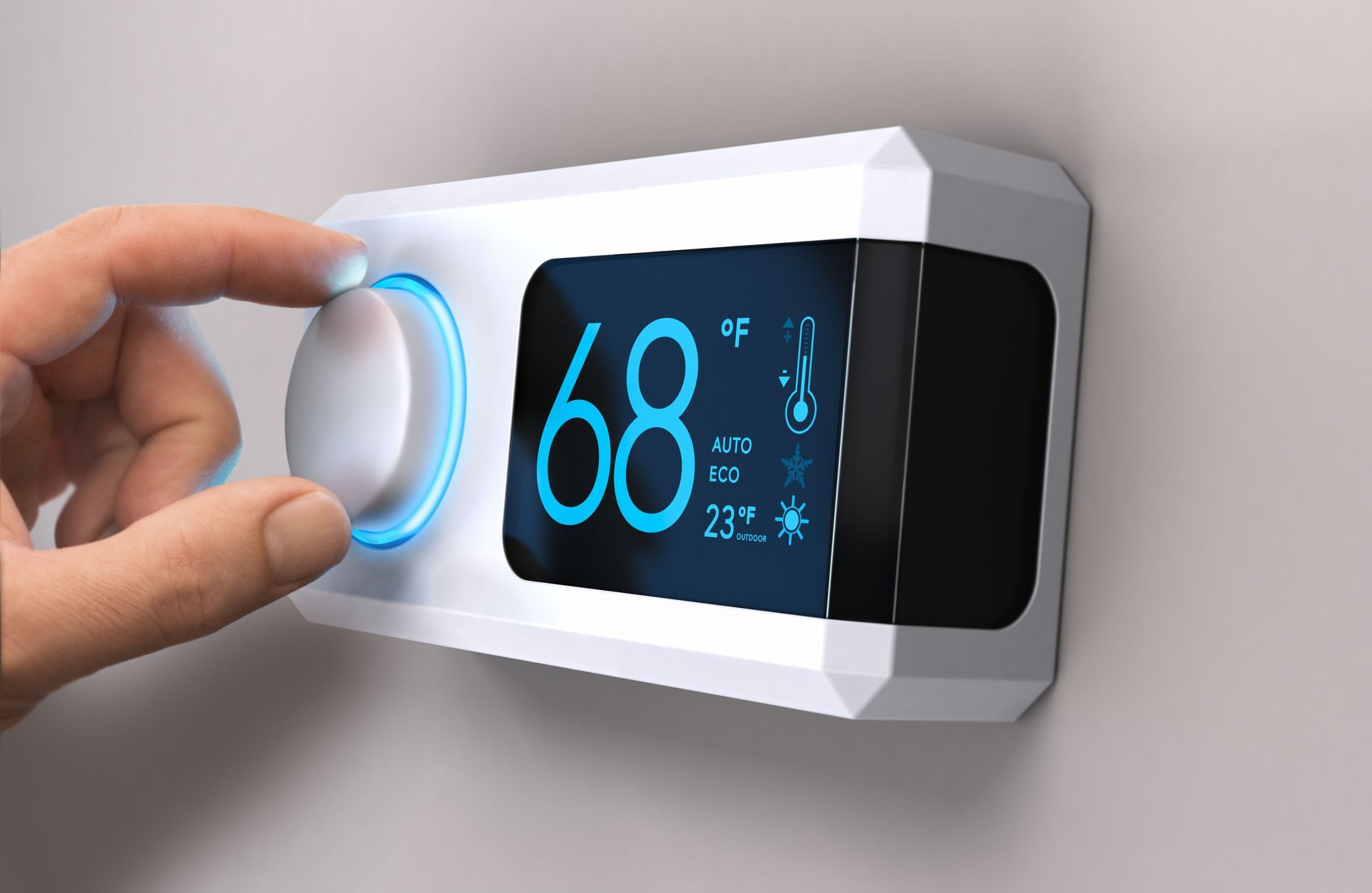
Lower utility bills may be the primary selling point of modern HVAC units, but the noticeable transformation in everyday indoor comfort is what homeowners appreciate most. Single-stage systems blast intense hot or cold air into living areas, resulting in rapid temperature spikes followed by chilly drafts as the equipment shuts down. High-efficiency units distribute conditioned air steadily and evenly, eliminating stubborn hot and cold spots across multi-story layouts.
Superior air circulation also drives exceptional humidity management. In warm weather, cooling equipment must run long enough for moisture to condense along the evaporator coil and drain away. Because variable-speed systems run longer, lower-intensity cycles, they remove significantly more airborne moisture than rapid-cycling standard units, keeping your living spaces cool without feeling clammy. Furthermore, continuous low-speed airflow allows high-efficiency filtration media to trap airborne allergens, dust mites, and pet dander far more effectively. Seasoned HVAC companies assess total living volume and duct dimensions to ensure new equipment provides this balanced, filtered airflow throughout every single room.
5. Sizing the System with Precision
A common homeowner misconception is assuming that bigger heating and cooling equipment automatically equates to superior comfort. With modern high-efficiency technology, improper equipment sizing causes serious operational trouble. If a unit is oversized for the home's square footage, it will heat or cool the interior too quickly and abruptly shut down—a destructive pattern known as short-cycling. Short-cycling wastes substantial electricity, spikes internal component wear, and prevents the system from dehumidifying the air.
Accurate equipment sizing requires rigorous engineering rather than casual estimation. Professional contractors conduct detailed Manual J load calculations, evaluating exterior wall insulation, window glazing, ceiling heights, roof orientation, and local solar exposure. Experienced HVAC companies never rely on crude square-footage guesswork when sizing high-efficiency systems, opting instead for precise diagnostic calculations that guarantee your new installation runs at its exact peak operating efficiency.
6. Selecting the Right Installation Partner
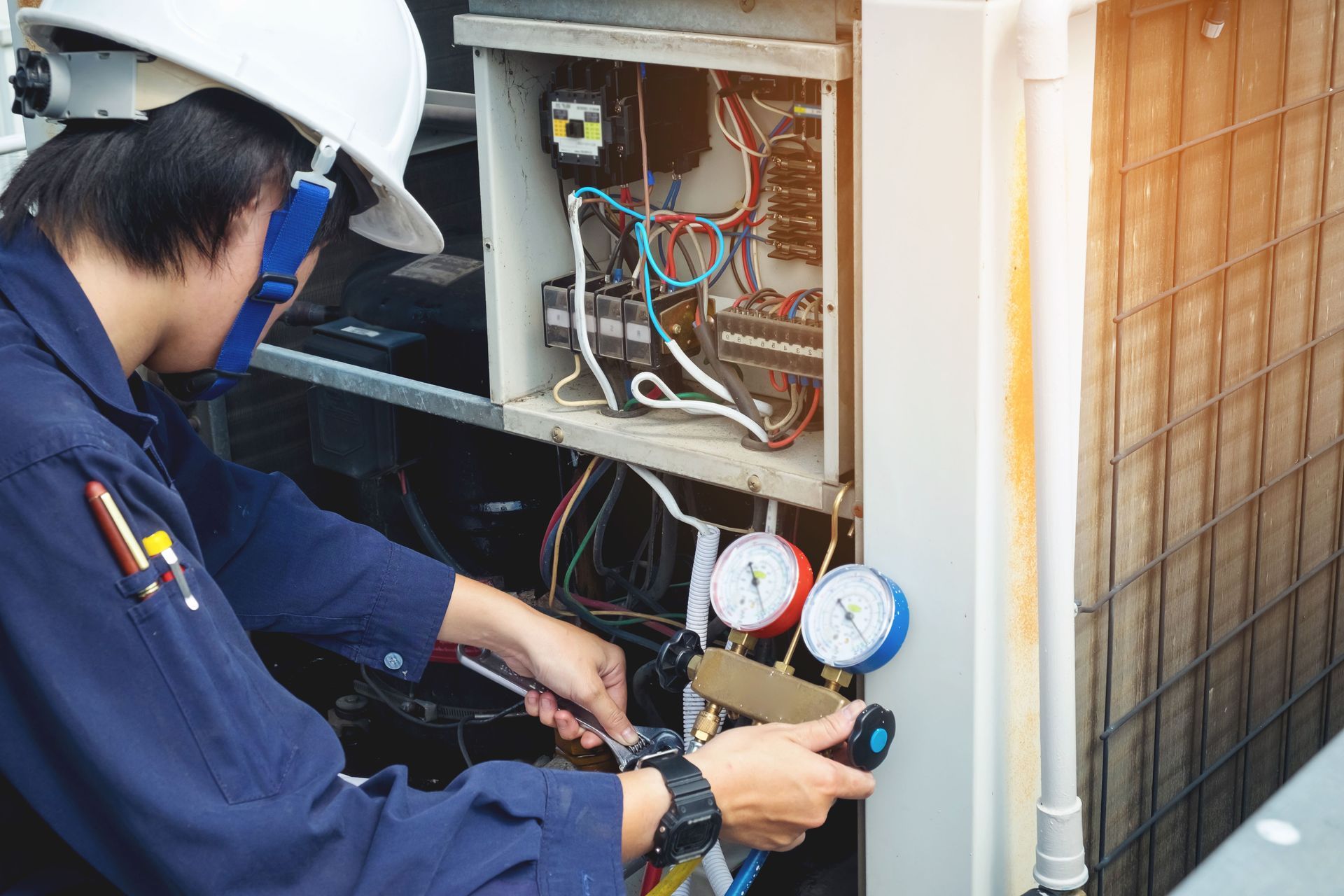
Even the most technologically advanced, energy-efficient system will fail to perform if it is installed improperly. Achieving the performance ratings stamped on the manufacturer label requires meticulous craftsmanship during the setup phase. Ductwork must be sealed against static air leaks, refrigerant charges must match factory specifications down to the exact ounce, and communicating control wiring must be calibrated to ensure the variable-speed motor responds accurately to system sensors.
Choosing an installation team requires careful vetting. Look for contractors who maintain active state licensing, full commercial liability coverage, and technicians certified by organizations like NATE (North American Technician Excellence). Factory-authorized dealers often provide extended labor warranties and direct access to specialized manufacturer technical support. Homeowners should always solicit detailed written estimates, compare equipment tiers, and review contractor credentials across multiple HVAC companies before committing to a final purchase and installation contract.
The transition to high-efficiency climate control delivers a compelling blend of sustained utility savings, superior indoor air quality, and dependable temperature stability that lasts for decades. Taking the time to understand performance ratings, calculate long-term payback, and prioritize precise sizing guarantees that your new equipment performs up to its advertised potential. Partnering with proven professionals among local
HVAC companies ensures your modern system is installed accurately and protected for years of quiet, reliable operation.
Are you ready to lower your monthly utility bills and enjoy unmatched indoor comfort with a modern high-efficiency HVAC system? Contact the certified comfort specialists at Blueprint Mechanical today to schedule your comprehensive in-home consultation and customized system load calculation. Call our office or visit our website right now to explore premium, energy-efficient solutions designed specifically for your home and budget.