July 18, 2026
In this article, we explore the most frequently diagnosed issues by HVAC companies, shedding light on common problems affecting heating, ventilation, and air conditioning setups. Understanding these mechanical issues helps homeowners maintain equipment effectively and avoid highly expensive repairs. These intricate machines require regular maintenance to function optimally, much like other major household appliances. With a heavy focus on potential problem areas, this article equips property owners with the essential knowledge needed to spot early signs of trouble. Ultimately, recognizing early warning signs ensures a smooth transition into exploring the specific mechanical failures that routinely disrupt home comfort.
Spotting the Signs of Refrigerant Leaks
Refrigerant leaks remain a highly prevalent issue, and recognizing early symptoms actively prevents further damage. Homeowners should stay vigilant for strange hissing noises, which frequently indicate a leak. Uneven cooling across different rooms is another major telltale sign that should immediately prompt an inspection by professional HVAC companies. Early diagnosis is crucial for energy efficiency.
Evaluating How Leaks Impact System Efficiency
Refrigerant plays a crucial role in the cooling process by absorbing heat from indoor air and releasing it outside. A persistent leak severely diminishes this unique ability, reducing overall cooling efficiency dramatically. The machinery must work significantly harder, leading to massively increased daily energy consumption and much higher monthly utility costs over time.
Mitigating Environmental and Health Concerns With Refrigerant
Refrigerant leaks pose serious environmental and health-related concerns that require immediate attention. Environmentally, leaked chemical refrigerants contribute heavily to ongoing ozone depletion and broader climate change. Health-wise, direct indoor exposure to these escaping gases can lead to severe symptoms such as persistent headaches. Repairing leaks immediately actively protects the natural environment and delicate occupant wellbeing.
Identifying Common Causes of Thermostat Malfunctions
Thermostat malfunctions can severely disrupt home comfort and destroy overall energy efficiency. Common causes include frustrating problems with the primary power source, such as completely dead batteries or unexpected electrical power interruptions. Internal wiring issues, often occurring due to poor initial installation or advancing age, can also lead directly to malfunctioning and unresponsive wall units.
Recognizing Symptoms of Malfunctioning Thermostats
When thermostats begin to malfunction, homeowners might quickly notice stark temperature inconsistencies spreading throughout their property. Non-responsive digital or manual controls are a very clear indication of a mechanical issue, as are systems that stubbornly refuse to turn on. These bothersome symptoms directly lead to increased monthly energy bills and vastly reduced indoor comfort.
Troubleshooting Steps for Your Home
Before calling in professional HVAC companies, homeowners can safely take proactive steps to independently diagnose minor issues. Checking and replacing internal batteries is a simple first step that frequently resolves common communication problems. Carefully inspecting the baseplate for loose or frayed wires can safely reveal underlying electrical issues. If basic troubleshooting completely fails, intervention becomes necessary.
Determining Causes of Poor Airflow
A severe lack of adequate airflow can be physically uncomfortable and highly expensive to ignore. Common causes often include heavily clogged air filters, which are frequently overlooked but essential for maintaining clean airflow. Blocked or intentionally closed room vents severely impede the internal system's ability to distribute conditioned air effectively across different living spaces.
Diagnosing Airflow Issues With Precision
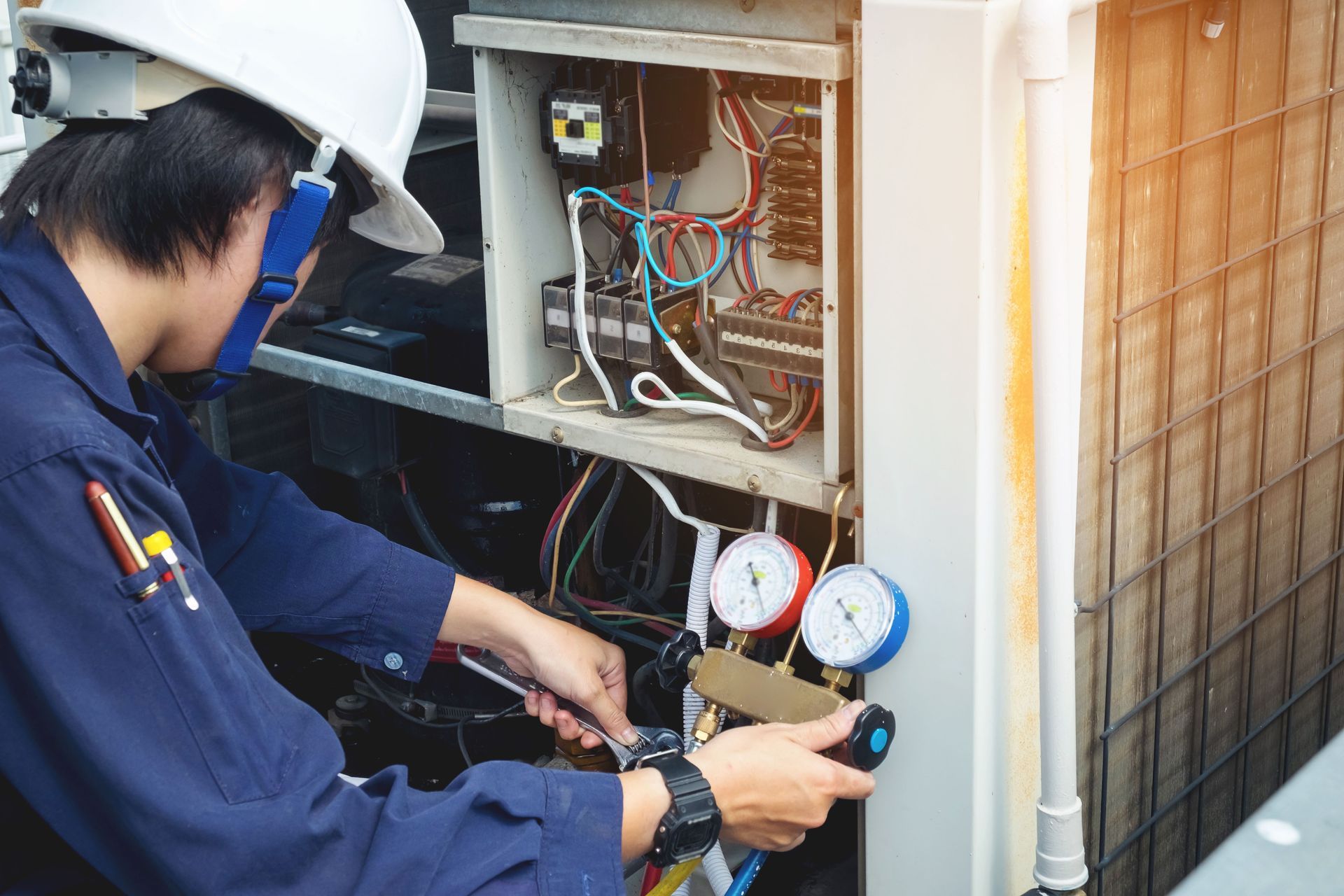
Diagnosing the true root cause of persistent airflow issues requires a highly systematic approach from experienced HVAC companies. Professional technicians employ special diagnostic tools to meticulously measure internal air velocity and atmospheric pressure throughout the ventilation network. A thorough evaluation successfully pinpoints whether the exact problem lies with the metallic ducts or the mechanical equipment.
Assessing the Impact on System Performance
Poor airflow has a direct and highly negative impact on overall system performance, heavily affecting mechanical efficiency and daily comfort levels. It frequently leads to uneven indoor heating or cooling, as the central unit constantly struggles to distribute conditioned air properly. Over time, the incredible mechanical stress placed on the struggling system escalates internal wear.
Understanding Coil Types and Their Functions
Heating and cooling units rely heavily on two primary types of essential coils: evaporator and condenser coils. Evaporator coils actively absorb warm heat from indoor air, while the outdoor condenser coils safely release this collected heat into the outside atmosphere. If these crucial metallic coils become heavily coated in dirt, overall energy efficiency suffers significantly.
Observing How Dirt Accumulates on Coils
Dirt and environmental debris accumulation on metallic coils is a highly prevalent issue that severely hampers mechanical performance. Poor ongoing maintenance routines, such as infrequent air filter changes, actively contribute to this frustrating problem over time. Outdoor condenser units are particularly vulnerable to harsh environmental factors like fallen autumn leaves, blowing dirt, and seasonal pollen.
Preventing Consequences of Dirty Coils
When coils become excessively dirty, they cannot effectively transfer thermal heat, resulting directly in reduced energy efficiency and remarkably poor system performance. This ongoing inefficiency drastically increases daily energy consumption. Dirty coils can also trigger sudden mechanical malfunctions, forcing frustrated homeowners to contact local HVAC companies for expensive emergency repairs. According to Oxmaint, aging equipment and the R-410A refrigerant phaseout mean that approximately 3.5 million system replacements are expected in 2026.
Analyzing Types of Sensors in HVAC Systems
Modern residential systems incorporate various highly sophisticated sensors to carefully ensure optimal mechanical function, including precise temperature, humidity, and atmospheric pressure sensors. Temperature sensors carefully monitor and actively regulate the central unit's ability to maintain the desired indoor climate accurately. Pressure sensors function as essential safety mechanisms for rapidly detecting intense internal pressure, actively preventing hazardous conditions.
Detecting Common Sensor Failures
Internal sensors are certainly not immune to mechanical failure, which can easily occur due to slight calibration errors, unexpected electronic malfunctions, or direct physical damage. Calibration errors frequently lead to wildly incorrect readings, deeply affecting overall system efficiency and indoor comfort. These quiet failures often manifest as highly inconsistent mechanical performance or wildly inaccurate temperature control.
Diagnosing Sensor Problems With Care
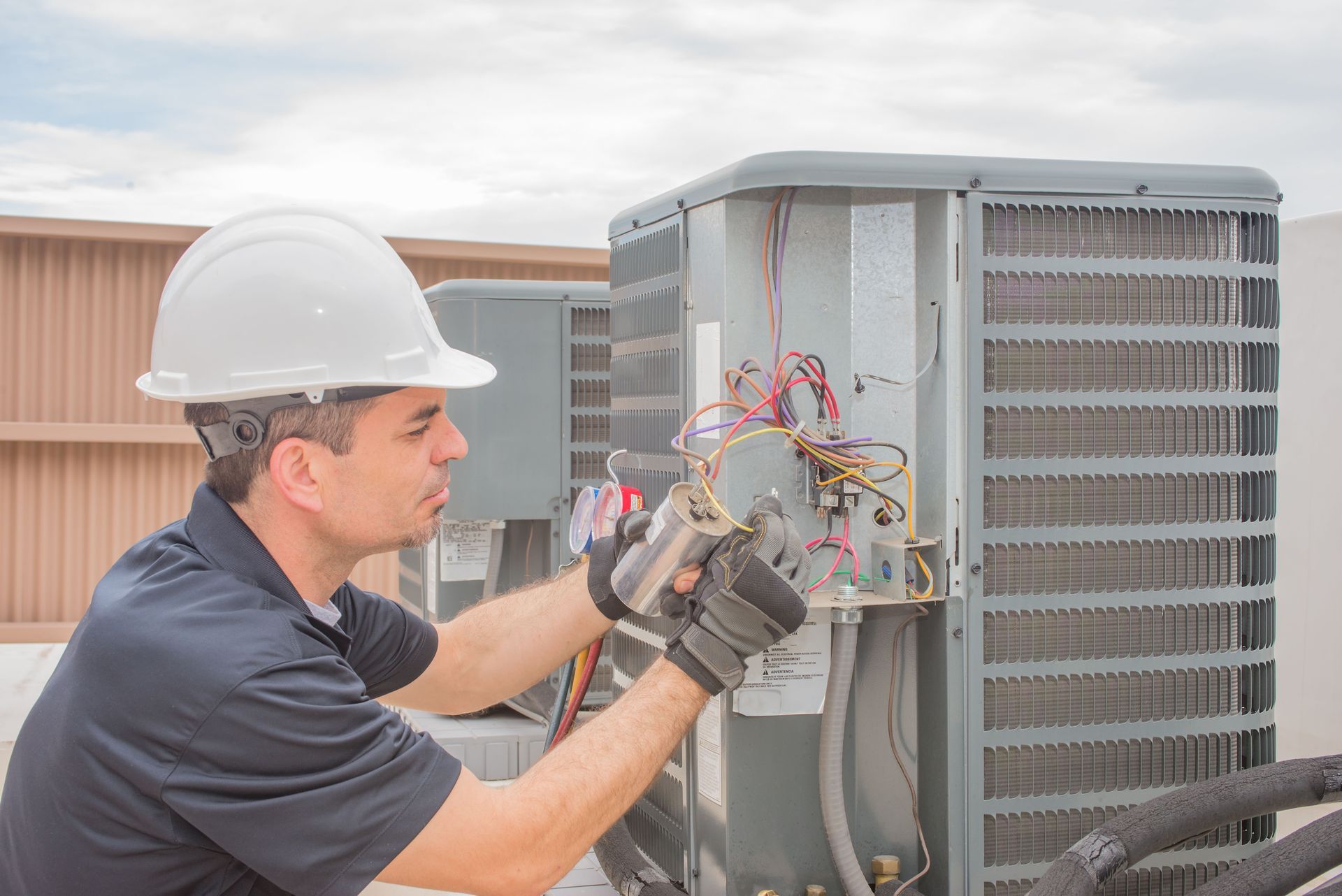
Diagnosing tricky sensor problems absolutely requires a highly thorough inspection by qualified professionals from reputable HVAC companies. They meticulously utilize specialized diagnostic equipment to carefully test individual sensor accuracy, safely ensuring all small components operate exactly as originally expected. Identifying faulty sensor issues promptly actively prevents much larger mechanical malfunctions and easily maintains optimal home energy efficiency.
Understanding Electric Control Systems
Electric control systems are incredibly integral to proper daily operation, comprising highly complex internal components that actively regulate and coordinate internal mechanical functions. These modern electronic controls include intricate circuit boards, highly reliable relays, and various electronic switches. Unexpected malfunctions in these vital electronic components can completely disrupt total performance, immediately leading to massive operational issues.
Recognizing Symptoms of Electrical Control Issues
Common symptoms of dangerous electrical control issues often include systems inexplicably failing to turn on or off, experiencing highly frequent short cycling, or suffering unexplained electrical shutdowns. Flickering dashboard indicator lights or wildly inconsistent mechanical operation may also quickly signal hidden internal electrical problems. Ignoring these electrical issues directly leads to complete mechanical failure and safety hazards.
Diagnosing Electric Control Problems
Diagnosing tricky electrical control problems always requires a highly systematic and remarkably safe approach by seasoned HVAC companies. Using highly advanced diagnostic equipment, professionals can easily identify faulty internal electrical components, strictly ensuring the residential unit continuously meets strict national safety standards. Accurate electronic diagnosis directly leads to highly effective and safe repairs.
By thoroughly understanding these common mechanical issues, knowledgeable property owners can make highly informed decisions regarding ongoing seasonal maintenance and future home repairs. Promptly diagnosing and directly addressing these mechanical problems not only significantly extends the total lifespan of the expensive equipment but also perfectly ensures a thoroughly comfortable and highly efficient home environment. Regular proactive maintenance and thorough professional visual inspections are the absolute keys to successfully preventing many of the frustrating issues discussed above. Taking a proactive approach easily saves valuable time and money in the long run. Awareness and early decisive action are the very first crucial steps toward maintaining a reliable property setup. When you require premier professional assistance, we invite you to reach out to our dedicated team at Blueprint Mechanical. We happily provide fast HVAC, heating, and cooling support, along with exterior plumbing and interior plumbing. Our team can skillfully manage refrigeration, commercial kitchen equipment, plumbing, curb traps, and curb stops. Furthermore, we routinely execute water heater repair, water services, drain cleaning, video sewer inspections, and lateral installation. Contact us today.